
Table of Contents
Introduction to Lodge Pre-Seasoned Carbon Steel Skillets
Lodge pre-seasoned carbon steel skillets represent a versatile category of cookware that merges the best features of cast iron and modern cooking techniques. Constructed from carbon steel, these skillets are designed to provide exceptional heat retention and responsiveness, making them suitable for a variety of culinary tasks such as frying, sautéing, and searing. The Lodge brand, with its long-standing reputation in the cookware industry, offers a reliable option for both amateur cooks and seasoned chefs alike.
Carbon steel itself is a mixture of steel and carbon, typically comprising about 0.5% to 1.5% carbon. This material is favored in culinary applications for its ability to heat up quickly and distribute heat evenly, making it a preferred choice for high-heat cooking methods. Unlike traditional raw metal pans, Lodge skillets come pre-seasoned with vegetable oil, which provides a natural non-stick surface right out of the box. This pre-seasoning not only saves time for the user but also enhances the skillet’s durability and performance over time.
What distinguishes Lodge pre-seasoned carbon steel skillets from other cookware materials, such as stainless steel or non-stick coatings, is their gradual improvement with use. As these pans are used and seasoned further, they develop a deeper, richer patina that enhances cooking performance. Furthermore, compared to cast iron pans, carbon steel skillets tend to be lighter and easier to handle while still offering similar heat retention capabilities. This balance of weight and functionality makes them increasingly popular among culinary enthusiasts.
The Benefits of Carbon Steel Skillets
Carbon steel pans, particularly those manufactured by Lodge, offer a multitude of advantages that make them a desirable choice for both professional chefs and home cooks alike. One of the most notable benefits of carbon steel skillets is their versatility. These skillets can be used on various heat sources, including stovetops, ovens, and even outdoor grills, allowing users to adapt their cooking methods based on the dish and occasion.
Another significant advantage of carbon steel pans is their excellent heat retention and distribution. Once properly seasoned, they can reach high temperatures quickly, making them ideal for searing meats and achieving a perfect crust on foods. This ability to withstand high heat positions carbon steel skillets ahead of many traditional options, enhancing their utility and performance in the kitchen.
The Lodge Carbon Steel Skillet can handle the heat from any kitchen. The lightweight design paired with a long comfortable handle, make it easy to use in your kitchen, over a campfire or even on the grill. This skillet transforms ordinary cooking into a delightful experience

In addition to temperature management, the non-stick qualities developed through seasoning significantly contribute to the overall cooking experience. Unlike traditional non-stick coatings, which can wear down over time, seasoned carbon steel creates a natural non-stick surface that improves with use. This feature not only facilitates easier food release but also simplifies cleanup, making them convenient options for busy kitchens.
Durability is yet another standout aspect of Lodge carbon steel skillets. Crafted from high-quality materials, these skillets are built to last, capable of withstanding the rigors of daily cooking when properly cared for. Users are encouraged to maintain their skillets through regular seasoning and avoiding harsh detergents, ensuring their longevity and performance remain unparalleled.
In summary, the numerous advantages associated with Lodge carbon steel skillets—ranging from their versatility and heat retention to their durability—make them an appealing investment for any cooking enthusiast. Careful maintenance further enhances their lifespan, ensuring they can be enjoyed for years to come.
While carbon steel skillets, particularly those from Lodge, are highly regarded for their heat retention and versatility, they do come with some potential drawbacks that users should consider. One primary concern is their weight. Carbon steel pans are generally heavier than traditional non-stick cookware, which can make them somewhat cumbersome to handle, especially for individuals who may have difficulty lifting heavy items.
Another factor to keep in mind is the necessity for regular seasoning. Unlike cast iron pans, which maintain their non-stick qualities with proper care, carbon steel requires frequent seasoning to maintain optimal performance. This may involve additional time and effort in the kitchen, as the seasoning process requires the application of oil and heating the pan to create a non-stick surface. For novice cooks or those unfamiliar with this process, it can represent a steep learning curve to effectively utilize these pans.
Additionally, carbon steel can be reactive, particularly with acidic ingredients such as tomatoes and vinegar. This reactivity can impact the flavor of dishes, as well as the integrity of the skillet’s seasoning. Users must take care to avoid cooking highly acidic meals in their carbon steel pans to prevent damaging the seasoning layer. Lastly, the adjustment period required to adapt to the way carbon steel behaves cooking-wise can be challenging. Users may need to experiment to find the right heat levels and cooking techniques that work best for these skillets.
In conclusion, while Lodge carbon steel pans are excellent tools for many cooking applications, it is important to be aware of their weight, maintenance requirements, reactivity, and the initial learning curve. Understanding these drawbacks can help potential users make informed decisions when considering a carbon steel skillet for their kitchen.
Comparing Cast Iron and Carbon Steel
When examining the merits of carbon steel pans versus traditional cast iron skillets, it becomes crucial to understand the fundamental differences that can influence a cook’s choice. One of the primary distinctions lies in weight. Carbon steel pans, such as the ones produced by Lodge, tend to be lighter than their cast iron counterparts. This reduction in heft can significantly ease the handling process, especially during tasks like flipping or sautéing.
Another key factor is heat conduction. Carbon steel is known for its superior heat conduction, allowing for quicker temperature adjustments. This responsiveness makes carbon steel skillets particularly favorable for tasks requiring precise temperature control, such as searing meat. On the other hand, cast iron retains heat exceptionally well, resulting in a more consistent cooking environment, which can be advantageous for slow-cooked dishes and baking.
When it comes to storage, both materials require careful handling to prevent rust and degradation. However, the more lightweight nature of carbon steel skillets often allows for easier storage, particularly in cramped kitchen spaces. Maintenance, too, presents a striking contrast. Cast iron demands a bit more attention in terms of seasoning and care to ensure its longevity, while pre-seasoned carbon steel skillets, like those from Lodge, are somewhat easier to maintain as they can achieve a non-stick surface with less effort.

In terms of cooking applications, both materials excel but serve slightly different culinary purposes. For instance, carbon steel pans are ideal for high-heat cooking applications, making them perfect for stir-frying and browning, whereas cast iron pans shine when utilized for baked goods and dishes needing low and slow cooking.
Addressing common myths, some believe carbon steel cannot provide the same flavor profiles as cast iron. However, seasoned properly, carbon steel pans can deliver comparable taste outcomes, proving that both have unique strengths in the kitchen.
Why Choose Carbon Steel Over Cast Iron?
When evaluating cooking options, many home chefs find themselves torn between Lodge pre-seasoned carbon steel pans and traditional cast iron cookware. While both have their merits, there are compelling reasons to consider carbon steel as a preferable alternative for certain culinary applications.
One of the primary advantages of carbon steel pans is their ability to heat up more quickly than cast iron. This property allows for faster cooking, making it especially appealing for those who need to prepare meals in a limited timeframe. Chefs often appreciate how rapidly carbon steel skillets respond to temperature changes, allowing for more precise cooking control.
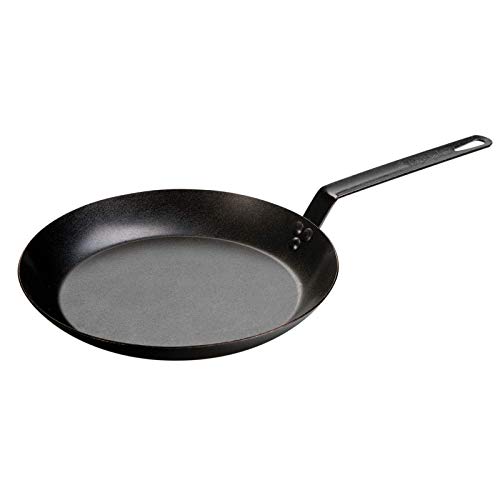
Another significant benefit is the overall weight of carbon steel pans. Generally, they are lighter than cast iron skillets of similar sizes. This reduction in weight not only makes them easier to handle but also less taxing on the arms during prolonged cooking sessions. For many, the ease of maneuvering the cookware, especially when flipping or transferring food, is a crucial consideration.
Furthermore, carbon steel pans can achieve a remarkable non-stick surface with less seasoning effort compared to cast iron. While both types of cookware require proper maintenance, the seasoning process for carbon steel is often more user-friendly. Cooks can layer oil in a more streamlined manner, facilitating a non-stick property that rivals cast iron in less time.
Additionally, the versatility offered by carbon steel makes it a favorite for a variety of cooking methods, including sautéing and frying. With its rapid heating properties and lighter, more manageable form factor, carbon steel skillets can serve as an excellent complement or even an alternative to cast iron. Given these points, those looking to upgrade their kitchen tools might find that Lodge carbon steel pans align seamlessly with their culinary needs.
Caring for Your Carbon Steel Skillet
Caring for your carbon steel skillet, such as those manufactured by Lodge, involves a few essential practices that significantly enhance its longevity and cooking performance. One of the key components of maintenance is proper seasoning. Seasoning creates a natural non-stick surface and prevents rust. To season your skillet, start by thoroughly washing it with warm soapy water to remove any factory residue. Dry it completely and apply a thin layer of cooking oil, preferably flaxseed or vegetable oil, to the entire surface—inside and out. Then, place the skillet upside down in an oven preheated to 450 degrees Fahrenheit for about an hour, allowing the oil to polymerize. This process should be repeated periodically to maintain a robust seasoning layer.
Cleaning your carbon steel skillet is crucial for preserving its functionality. Unlike non-stick pans, which can easily be scratched, carbon steel can withstand metal utensils and scouring pads. After each use, allow the skillet to cool down. Rinse it with hot water, and if food residue remains, use a soft sponge or scrubber to remove it. It’s advisable to avoid soap unless absolutely necessary, as it can strip away the seasoning. After cleaning, dry the skillet completely on a stovetop over low heat, and apply a thin coat of oil to avoid moisture accumulation.
Storage is another significant aspect of caring for Lodge carbon steel pans. To prevent moisture buildup and rust, it is best to store your skillet in a dry place. Additionally, placing a paper towel or cloth between the skillet and other cookware can prevent scratching and maintain the seasoning. By following these care guidelines, your carbon steel skillet will not only last longer but will also improve its non-stick properties over time, making it a reliable tool in your kitchen.
Cooking Techniques Best Suited for Carbon Steel
Carbon steel pans, particularly those manufactured by Lodge, are highly versatile cooking tools that shine in various culinary techniques. One of the primary methods that these skillets excel at is sautéing. The excellent heat conductivity of a Lodge carbon steel pan allows for quick cooking at high temperatures, making it perfect for achieving that desirable caramelization on vegetables and proteins.
Another technique where carbon steel pans prove their mettle is searing. When preparing meats, a hot carbon steel skillet can create a beautifully browned crust while retaining moisture inside. For optimal results, preheat the pan until it is properly seasoned and add a thin layer of oil before placing the meat. This technique is also beneficial for achieving a delightful fond at the bottom of the pan, which can be deglazed to make rich sauces.
Frying is another area where Lodge carbon steel skillets excel. Whether you are deep frying or shallow frying, the ability of carbon steel to maintain stable temperatures is crucial. The thick base of these pans ensures even cooking, so food doesn’t stick or burn easily. To fry safely and effectively, always ensure the oil is heated sufficiently before adding the food, and avoid overcrowding the pan to maintain the proper cooking temperature.
Baking in a carbon steel skillet is a slightly less common but equally effective method. These skillets can transition from stovetop to oven with ease, making them excellent for recipes such as cornbread or frittatas. When using your Lodge skillet for baking, it is essential to monitor the cooking time closely, as heat retention may differ compared to traditional baking pans. By utilizing these cooking techniques, you can maximize the potential of your carbon steel pans, elevating your culinary endeavors to new heights.
Recipes to Try with Your Carbon Steel Skillet
Carbon steel skillets, such as those made by Lodge, are versatile tools that can enhance the cooking experience, especially when preparing traditional and contemporary dishes. One delightful recipe to try is the classic seared steak. The high heat retention of carbon steel pans allows for excellent caramelization, making it ideal for achieving a perfect crust. Simply season the steak with salt and pepper, heat your Lodge skillet until it reaches a searing temperature, and cook it for a few minutes on each side to your desired doneness. Don’t forget to finish it with a pat of butter for added flavor.
Another fantastic dish to prepare in your carbon steel skillet is ratatouille. This vegetable medley benefits from the skillet’s ability to distribute heat evenly. Start by sautéing onions and garlic in olive oil until fragrant, then add diced eggplant, zucchini, and bell peppers. Cook until the vegetables are tender, then stir in fresh herbs like basil and thyme for a vibrant and healthy meal. Utilizing a carbon steel pan allows you to achieve a depth of flavor that is simply unmatched.
For a modern twist, consider making crispy fried rice. The non-stick properties of a well-seasoned carbon steel skillet make it perfect for frying rice without sticking. Begin by frying your choice of protein—be it chicken, shrimp, or tofu—until golden, then add day-old rice along with peas, carrots, and soy sauce. Stir it all together, allowing the rice to get crispy at the bottom and serve it straight from the skillet for a delightful dish that brings both texture and flavor into play.
With the right recipes, your Lodge carbon steel skillet becomes an essential tool in the kitchen, providing the ability to cook a variety of dishes perfectly. Explore these options to unlock the full potential of your cookware and enjoy delicious meals cooked with care and precision.
Conclusion: Making the Right Choice for Your Kitchen
In evaluating whether to incorporate Lodge pre-seasoned carbon steel skillets into your culinary collection, it is essential to reflect on the unique attributes these skillets present compared to traditional cast iron options. Carbon steel pans, recognized for their lightweight design and rapid heat responsiveness, are particularly advantageous for tasks requiring immediate temperature adjustments and balance in cooking styles. Their ability to develop a natural non-stick surface over time adds to their appeal, especially for those who prioritize ease of use and maintenance in their daily cooking regimen.
However, it is equally important to consider the potential disadvantages that come with carbon steel skillets. Though they may require a similar seasoning process as cast iron, the skill and attention needed to maintain their care and longevity should not be overlooked. The tendency for these pans to rust if not properly dried and oiled after washing necessitates an understanding of proper cookware maintenance, which may not align with every cook’s preferences.
When it comes to making the final decision, the choice between carbon steel and cast iron skillets should reflect your individual cooking needs, preferences, and style. If you frequently whip up quick meals that benefit from rapid heating and a versatile cooking surface, carbon steel pans may be the right fit. Conversely, if you desire heavy-duty cooking equipment that excels in heat retention for longer, slower preparations, a Lodge cast iron skillet could be a more suitable option. Ultimately, your cooking habits and preferences will guide you toward the cookware that best complements your kitchen endeavors.